Kotma Civil Lawyers | Legal Support for Civil Matters
1 advocates in this category
Kotma Civil matters involve non-criminal legal disputes between individuals, organizations, or entities. These cases can include property disputes, contractual disagreements, personal claims, and other civil conflicts. Understanding civil law and legal remedies is essential to protect rights, secure compensation, and resolve disputes efficiently.
Top Kotma Advocates
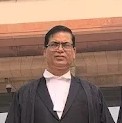
Showing page 1 of 1
Handling civil cases involves drafting petitions, preparing evidence, and representing clients in courts. Lawyers assist in negotiations, filing suits, and managing hearings, ensuring that each procedural requirement is met and the client’s position is clearly presented. Professional guidance helps avoid delays and strengthens the client’s claim or defense.
Seeking legal assistance for Kotma Civil matters ensures that disputes are handled efficiently and outcomes are legally sound. Lawyers provide advice on rights, obligations, and the best strategies to achieve favorable resolutions while minimizing conflicts and financial loss.
Frequently Asked Questions
Kotma Civil refers to legal disputes between individuals, organizations, or entities that do not involve criminal charges. Lawyers assist clients in filing claims, presenting evidence, and seeking remedies in courts.
Individuals, businesses, and organizations facing property, contractual, or personal disputes can seek assistance. Lawyers help draft petitions, represent clients, and guide them through legal procedures.
Cases may include property disputes, contractual conflicts, personal injury claims, and financial disagreements. Lawyers provide guidance and representation to achieve favorable outcomes.
Yes, civil matters often involve complex documentation and procedural requirements. Lawyers ensure that clients’ claims are properly filed, evidence is organized, and hearings are effectively managed.
Yes, disputes can be resolved through negotiation, settlement, mediation, or court judgment. Lawyers help protect rights and achieve lawful, fair resolutions.